
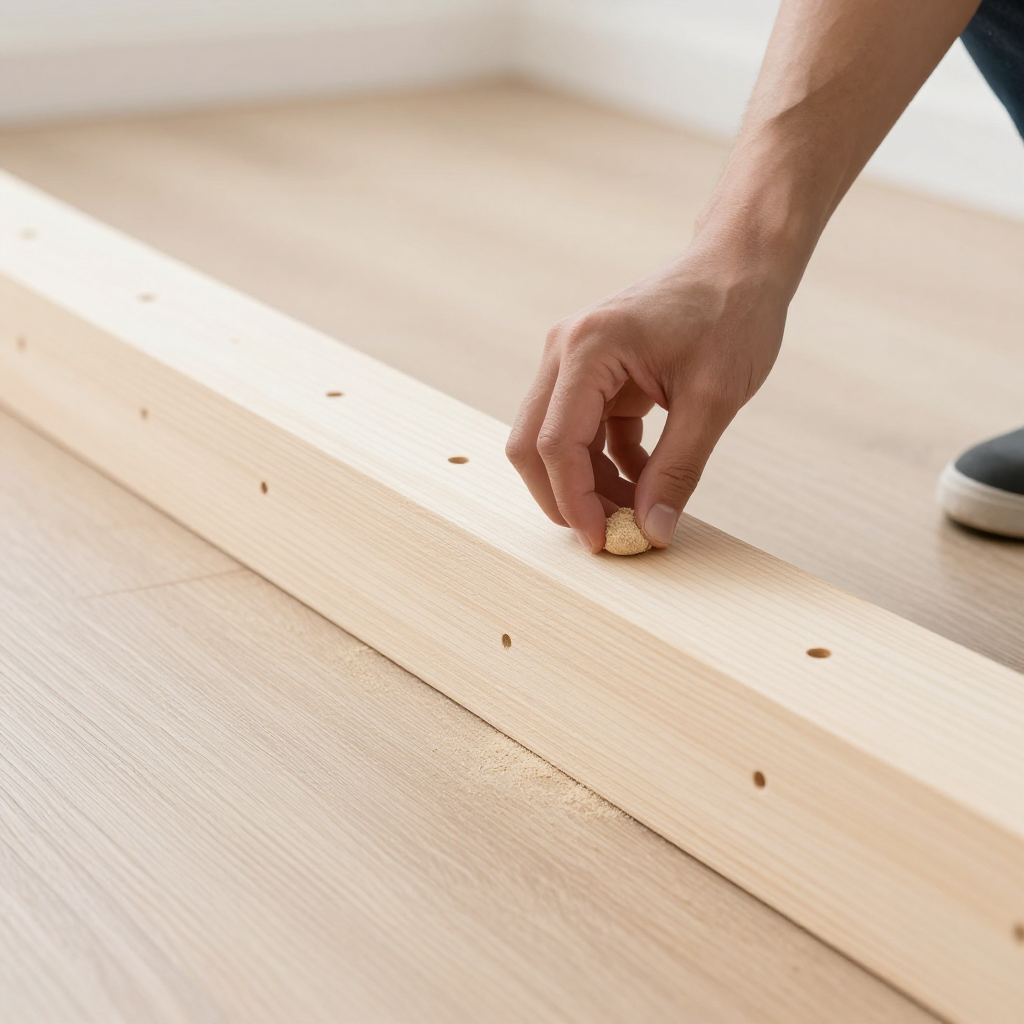
Woodworm infestation is one of the most common problems affecting wooden homes, furniture, flooring, and structural timber. Although many homeowners only notice woodworm after seeing small holes or powdery dust, the damage often begins long before visible signs appear. Because woodworm larvae live inside timber for months or even years, untreated infestations can quietly weaken wood and lead to expensive repairs.
The good news is that woodworm prevention is possible, and in most cases, simple maintenance habits can dramatically reduce the risk of infestation. Since wood-boring beetles prefer damp, untreated, and poorly ventilated timber, creating the right conditions inside your home is one of the best ways to keep woodworm away.
Prevention is always easier and more affordable than treatment. Small actions today can help protect wooden floors, roof beams, furniture, and structural timber for many years.
Many homeowners researching timber care through shashel.eu/ understand that long-term wood protection begins with prevention rather than expensive repairs later.
In this guide, we will explore the best woodworm prevention tips every homeowner should know.
What Is Woodworm?
Before discussing prevention, it helps to understand what woodworm actually is.
Despite the name, woodworm is not a worm.
Woodworm refers to the larvae of wood-boring beetles that feed on wood from the inside.
Adult beetles lay eggs in cracks, exposed timber, or untreated wood. After hatching, larvae tunnel through timber and begin feeding.
Eventually, adult beetles emerge through small holes.
Woodworm commonly affects:
- Wooden furniture
- Floorboards
- Roof beams
- Ceiling joists
- Structural timber
Because larvae stay hidden, infestations often continue unnoticed for years.
Keep Timber Dry
One of the most important woodworm prevention tips is keeping wood dry.
Woodworm prefers damp timber.
Why Moisture Matters
Moist wood becomes:
- Softer
- Easier for larvae to tunnel through
Dry timber naturally discourages infestation.
Common Moisture Sources
Watch for:
- Roof leaks
- Pipe leaks
- Condensation
- Poor drainage
Fixing moisture problems quickly helps reduce risk.
Improve Ventilation
Poor airflow creates humid conditions where woodworm thrives.
Areas That Need Better Ventilation
Focus on:
- Attics
- Basements
- Roof spaces
- Crawl spaces
Benefits of Better Airflow
Good ventilation helps:
- Reduce humidity
- Keep timber dry
- Lower infestation risk
Healthy airflow protects wood naturally.
Many homeowners exploring long-term timber care through shashel.eu understand that ventilation is one of the easiest and most effective ways to discourage woodworm.
Inspect Wooden Furniture Regularly
Routine inspection helps catch problems early.
What to Look For
Check for:
- Tiny holes
- Powdery dust
- Weak wood
- Cracks
Early warning signs should never be ignored.
Regular checks help prevent serious damage.
Protect Roof Beams and Structural Timber
Structural wood deserves extra attention.
High-Risk Areas
Inspect:
- Roof beams
- Ceiling joists
- Floor supports
Hidden spaces often develop problems unnoticed.
Routine inspection protects long-term structural safety.
Fix Leaks Immediately
Water damage often attracts woodworm.
Common Problem Areas
Inspect:
- Roofing systems
- Plumbing pipes
- Gutters
Even small leaks may encourage infestation.
Fast repairs make a major difference.
Avoid Damp Storage Areas
Poor storage conditions increase infestation risk.
Avoid Storing Wood In
- Damp garages
- Wet basements
- Humid sheds
Better Storage Conditions
Store wood and furniture in spaces that are:
- Dry
- Ventilated
Healthy storage helps prevent infestation naturally.
Clean Wooden Furniture Regularly
Regular cleaning helps reveal hidden problems.
Why Cleaning Helps
Cleaning makes it easier to notice:
- Dust buildup
- Small holes
- Weak joints
Dirt may hide warning signs.
Routine maintenance improves protection.
Inspect Second-Hand Furniture Carefully
Used furniture sometimes contains hidden larvae.
Warning Signs
Before bringing furniture indoors, check for:
- Small holes
- Powdery dust
- Weak timber
Prevention begins before infestation enters the home.
Careful inspection matters.
Seal Cracks and Gaps
Woodworm beetles often lay eggs in small openings.
Helpful Prevention
Repair:
- Splits in timber
- Surface cracks
Sealed wood becomes less attractive for egg laying.
Small repairs improve protection.
Control Indoor Humidity
Humidity strongly affects wood condition.
Helpful Solutions
Reduce moisture using:
- Better airflow
- Dehumidifiers
Balanced humidity helps:
- Protect timber
- Reduce infestation risk
Healthy indoor conditions matter.
Apply Protective Wood Treatments
Protective finishes help preserve timber.
Benefits
Wood treatments may help resist:
- Moisture
- Surface wear
Best Uses
Especially useful for:
- Roof beams
- Wooden flooring
- Outdoor timber
Routine maintenance extends durability.
Monitor Seasonal Changes
Woodworm activity often increases during warmer seasons.
Best Times to Inspect
Pay extra attention during:
- Spring
- Summer
Seasonal inspections improve prevention.
Early action reduces risk.
Keep Outdoor Wood Protected
Outdoor timber faces greater exposure to weather.
Protect Outdoor Structures
Pay attention to:
- Fences
- Decking
- Garden furniture
Helpful Prevention Tips
Use:
- Weather-resistant finishes
- Protective coatings
Outdoor maintenance helps prevent infestation.
Watch for Early Warning Signs
Never ignore small symptoms.
Common Signs Include
- Tiny holes
- Fresh powdery dust
- Weak timber
Early treatment prevents spreading.
Small warning signs deserve attention.
Schedule Professional Inspections
Experts often identify hidden problems earlier.
Professionals Can Detect
- Hidden woodworm
- Moisture damage
- Structural risk
This is especially useful for:
- Older homes
- Large timber structures
Routine expert advice prevents larger repairs.
Common Mistakes Homeowners Make
Ignoring Moisture
Dampness encourages infestation.
Skipping Inspections
Hidden damage spreads quietly.
Delaying Repairs
Small issues become expensive later.
Assuming New Homes Are Safe
Woodworm can affect both old and newer homes.
Consistency matters.
Long-Term Benefits of Prevention
Woodworm prevention provides many advantages.
Key Benefits Include
- Lower repair costs
- Longer timber lifespan
- Better home safety
- Reduced stress
Healthy wood lasts much longer.
Preventive care saves money.
Conclusion
Woodworm prevention begins with simple habits that protect timber from dampness, poor ventilation, and hidden infestation. Keeping wood dry, inspecting regularly, fixing leaks quickly, controlling humidity, and monitoring furniture and structural timber are some of the best ways to reduce risk.
Because woodworm damage develops quietly over time, early prevention is far easier and less expensive than major treatment or timber replacement.
Many homeowners exploring timber protection through shashel.eu understand that smart prevention is the key to preserving furniture, flooring, roof beams, and structural wood for the long term.